

Modern e-businesses are growing faster than ever, and financial technology plays a major role in that growth. From digital payments to real-time analytics, financial technology in e-business has transformed how online companies manage money, scale operations, and compete globally.
What once required banks, paperwork, and long approval cycles is now handled instantly through digital tools. As a result, finance is no longer just a support function—it has become a growth engine.
What Is Financial Technology in E-Business?
Financial technology, often called fintech, refers to digital tools and platforms that improve how businesses handle payments, funding, data, and financial operations.
In an electronic commerce business, fintech typically includes:
-
Digital payment gateways
-
Online banking and wallets
-
Automated accounting tools
-
Data-driven financial dashboards
-
Alternative financing platforms
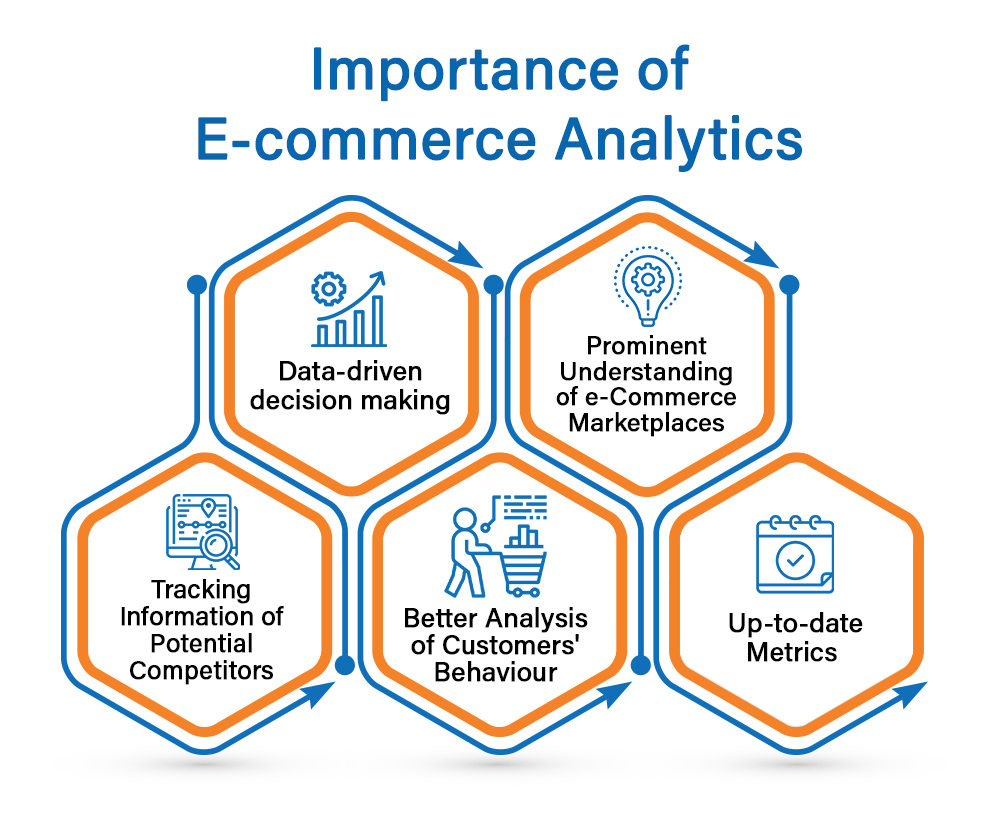
These tools simplify financial management while enabling faster and smarter decision-making.
Faster Payments Fuel Business Momentum
Payment speed directly affects cash flow. Traditional settlement cycles slow down growth, while fintech solutions accelerate it.
Modern fintech enables:
-
Instant or same-day payment settlements
-
Multi-currency and cross-border payments
-
Secure, one-click checkout experiences
-
Reduced payment friction for customers
For a growing e-business, faster payments mean better liquidity and smoother operations.
Improving Cash Flow Visibility
One of the biggest advantages of fintech is real-time financial visibility. Business owners no longer wait for monthly reports to understand performance.
Fintech tools help e-businesses:
-
Track revenue and expenses live
-
Monitor cash position daily
-
Detect cash flow gaps early
-
Plan spending with confidence
Clear visibility reduces surprises and improves financial control.
Enabling Data-Driven Financial Decisions
Every transaction generates data. Financial technology turns this data into insights that guide growth.
With fintech-powered analytics, businesses can:
-
Identify profitable products and customers
-
Measure return on marketing spend
-
Forecast revenue more accurately
-
Reduce financial risk
Data-driven finance replaces guesswork with precision.

Automation That Saves Time and Reduces Errors
Manual financial processes slow down scaling. Fintech automates repetitive tasks, allowing teams to focus on strategy.
Automation supports:
-
Expense tracking and categorization
-
Invoicing and reconciliation
-
Tax calculations and reporting
-
Subscription and recurring billing
Automation improves accuracy while reducing operational workload.
Easier Access to Business Funding
Fintech has transformed how e-businesses access capital. Instead of relying only on traditional banks, companies now use alternative financing platforms.
Popular fintech funding options include:
-
Revenue-based financing
-
Merchant cash advances
-
Platform-linked working capital
-
Data-driven credit assessments
These options align funding with real performance, supporting faster and safer growth.
Supporting Global and Cross-Border Expansion
Modern e-businesses often sell internationally from day one. Fintech makes global expansion practical and affordable.
Fintech solutions enable:
-
Multi-currency pricing and payments
-
Automated currency conversion
-
Simplified international settlements
-
Reduced foreign transaction costs
This global reach opens new markets without heavy infrastructure investment.
Enhancing Financial Security and Trust
As digital transactions increase, so do financial risks. Fintech plays a critical role in protecting businesses and customers.
Security-focused fintech tools provide:
-
Fraud detection and prevention
-
Encrypted payment processing
-
Compliance with financial regulations
-
Chargeback monitoring
Trust and security are essential for long-term customer relationships.
Fintech and Scalable Growth
Scalability is a defining advantage of fintech. Financial systems grow alongside the business without major restructuring.
Fintech helps businesses:
-
Scale transaction volume efficiently
-
Handle growth without financial chaos
-
Maintain control during rapid expansion
-
Adapt quickly to market changes
Scalable finance allows growth without instability.
Common Mistakes E-Businesses Make With Fintech
While fintech offers many benefits, misuse can create problems.
Avoid these mistakes:
-
Using too many disconnected tools
-
Ignoring financial data insights
-
Relying on automation without oversight
-
Choosing tools without scalability
A focused and integrated fintech strategy delivers the best results.
Conclusion
Financial technology in e-business has become a key driver of modern growth. By improving payment speed, visibility, automation, funding access, and security, fintech empowers online businesses to scale faster and smarter.
E-businesses that adopt the right financial technology gain stronger control, better insights, and a competitive edge in the digital economy. In today’s market, fintech is not optional—it is essential for sustainable growth.