

Not every online store becomes profitable, and even fewer stay profitable long term. The difference often lies in the online commerce business model behind the brand. While products and marketing attract attention, the business model determines whether revenue turns into sustainable profit.
In today’s competitive digital environment, successful electronic commerce businesses focus on models that balance growth, efficiency, and long-term value.
Why Business Models Matter in Online Commerce
A business model defines how an electronic commerce business creates, delivers, and captures value. It shapes pricing, cost structure, customer acquisition, and scalability.
Strong business models help companies:
-
Predict revenue more accurately
-
Maintain healthy profit margins
-
Reduce dependence on constant ad spend
-
Scale without losing control
Without the right model, growth can increase sales while reducing profit.
Direct-to-Consumer (DTC) Model
The direct-to-consumer model removes intermediaries and allows brands to sell directly to customers.
Why DTC supports sustainable profit:
-
Higher margins due to fewer middlemen
-
Direct customer relationships
-
Better control over branding and pricing
-
Access to valuable customer data
Many profitable online commerce businesses rely on DTC to build long-term brand value.
Subscription-Based Business Models
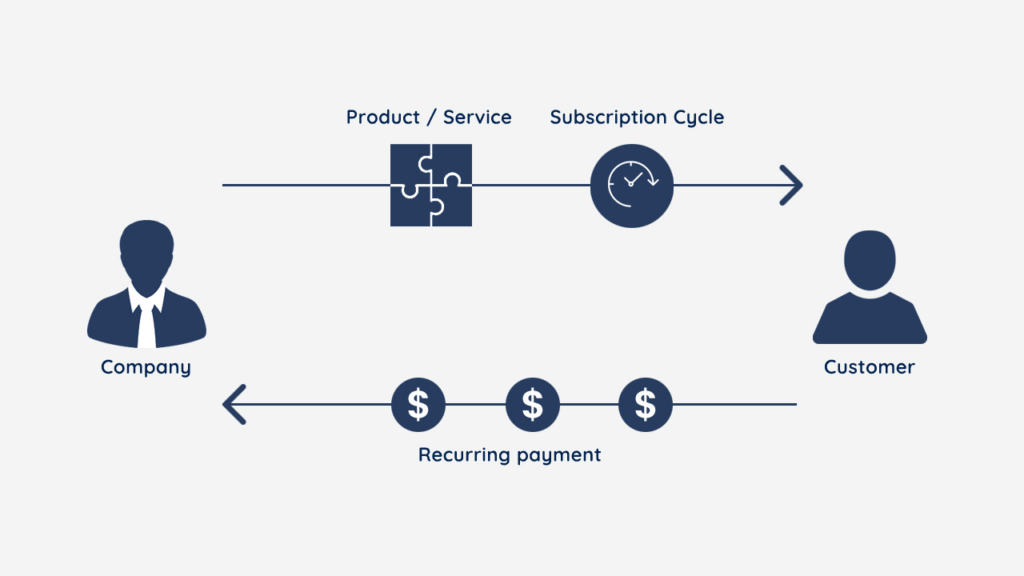
Subscriptions are one of the strongest models for sustainability. Customers pay recurring fees for products or services.
Common subscription examples:
-
Monthly product deliveries
-
Membership programs
-
Digital services and tools
This model delivers:
-
Predictable revenue
-
Improved cash flow
-
Higher customer lifetime value
Recurring income reduces financial uncertainty and supports steady growth.
Marketplace and Commission Models
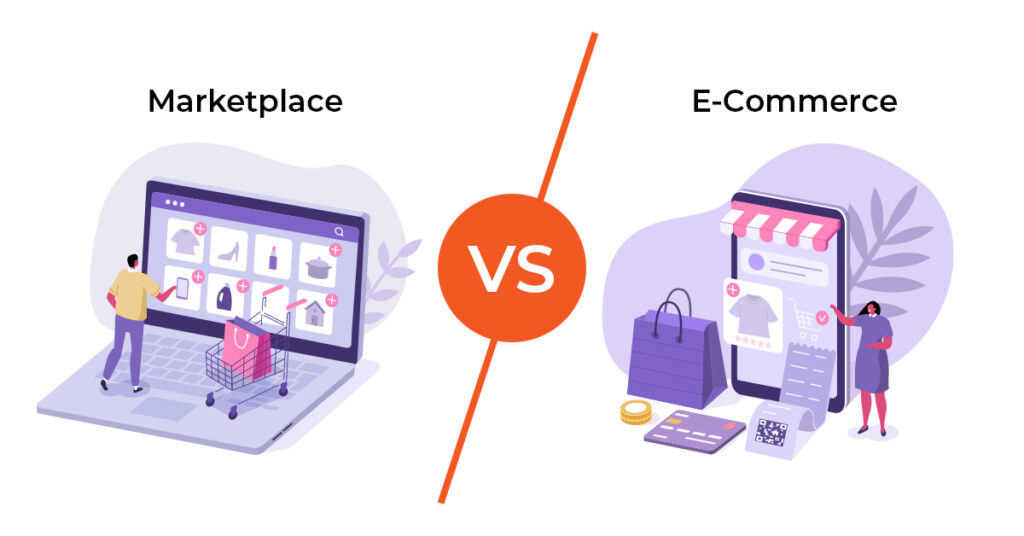
Marketplace platforms connect buyers and sellers while earning commissions on transactions.
Key advantages:
-
Low inventory risk
-
Revenue grows with transaction volume
-
Wide product variety
Commission-based models are highly scalable and popular across the electronic commerce business ecosystem.
Digital Products and Services
Digital products offer some of the highest profit margins in online commerce.
Examples include:
-
Online courses
-
Software and tools
-
Templates and digital assets
Benefits of digital models:
-
Low delivery costs
-
No inventory management
-
High scalability
Once created, digital products can generate revenue repeatedly with minimal overhead.
Hybrid Business Models
Many of the most profitable companies use hybrid models that combine multiple revenue streams.
Popular combinations include:
-
Product sales + subscriptions
-
Marketplace commissions + advertising
-
Digital products + affiliate revenue
Hybrid models reduce risk and create multiple paths to profitability.
Value-Based Pricing Models
Pricing strategy is part of the business model. Value-based pricing focuses on perceived value rather than cost alone.
This approach:
-
Supports stronger margins
-
Attracts quality customers
-
Reduces price-based competition
When combined with a strong product and brand, value-based pricing improves long-term profitability.
Low-Inventory and On-Demand Models
Low-inventory models, such as print-on-demand or dropshipping, reduce upfront investment.
Advantages include:
-
Lower financial risk
-
Easier market testing
-
Flexible product offerings
While margins may be thinner, careful pricing and niche focus can still deliver sustainable profit.
Customer Retention–Driven Models
Acquiring customers is expensive. Retention-focused models improve profitability by maximizing lifetime value.
Retention strategies include:
-
Loyalty programs
-
Personalized offers
-
Subscription upgrades
-
Strong post-purchase engagement
Higher retention reduces dependence on constant customer acquisition.
Choosing the Right Model for Long-Term Profit
The best online commerce business model depends on:
-
Target audience behavior
-
Product type
-
Operational capacity
-
Long-term growth goals
Testing, refining, and adapting the model over time is key to sustainability.
Common Business Model Mistakes to Avoid
Many businesses struggle due to flawed models.
Avoid these mistakes:
-
Relying on a single revenue stream
-
Competing only on price
-
Ignoring customer lifetime value
-
Scaling before validating profitability
Strong models focus on durability, not just fast growth.
Conclusion
Sustainable profit in online commerce comes from choosing the right business model—not just selling more products. The most successful online commerce businesses design models that support predictable revenue, healthy margins, and scalable operations.
Whether through subscriptions, digital products, marketplaces, or hybrid approaches, the right model creates stability in an unpredictable market. In e-commerce, long-term success is built on smart business design.